
Lovegobuy Finds
Spreadsheet
OVER 5000+
WITH QC PHOTOS
Click the images below to browse!






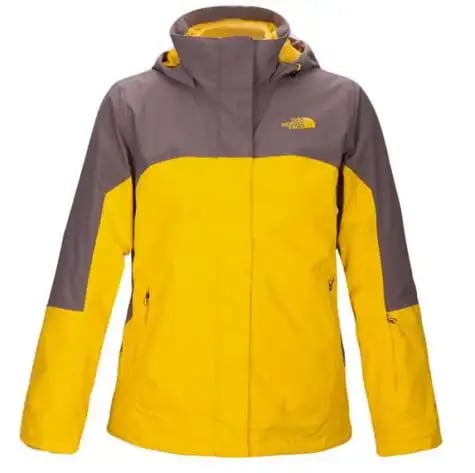


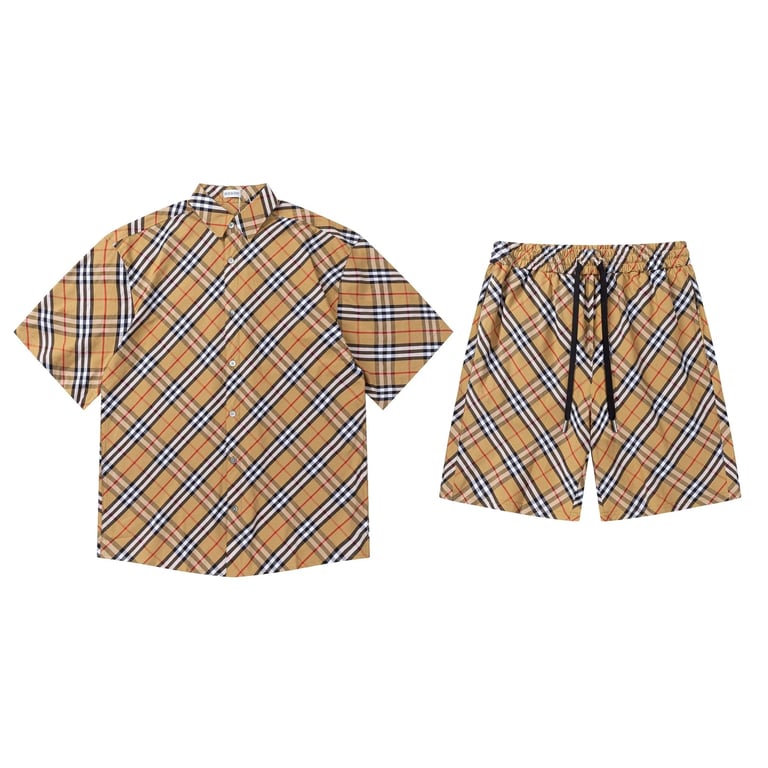
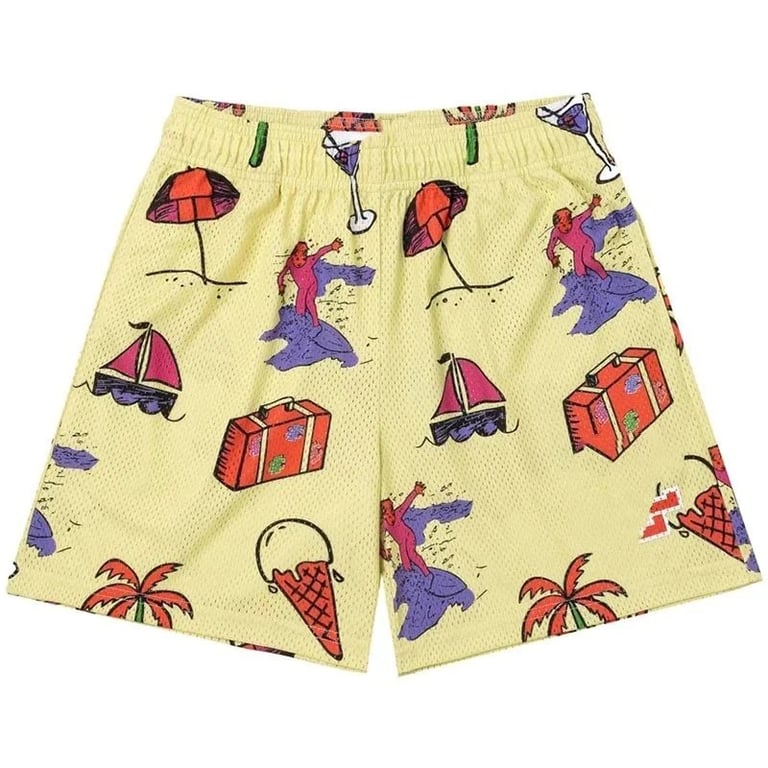
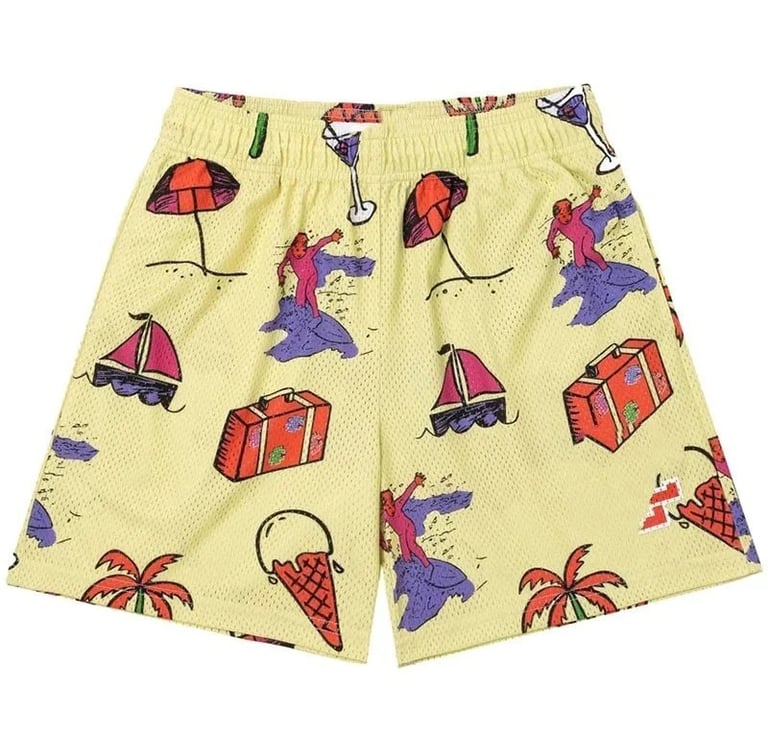
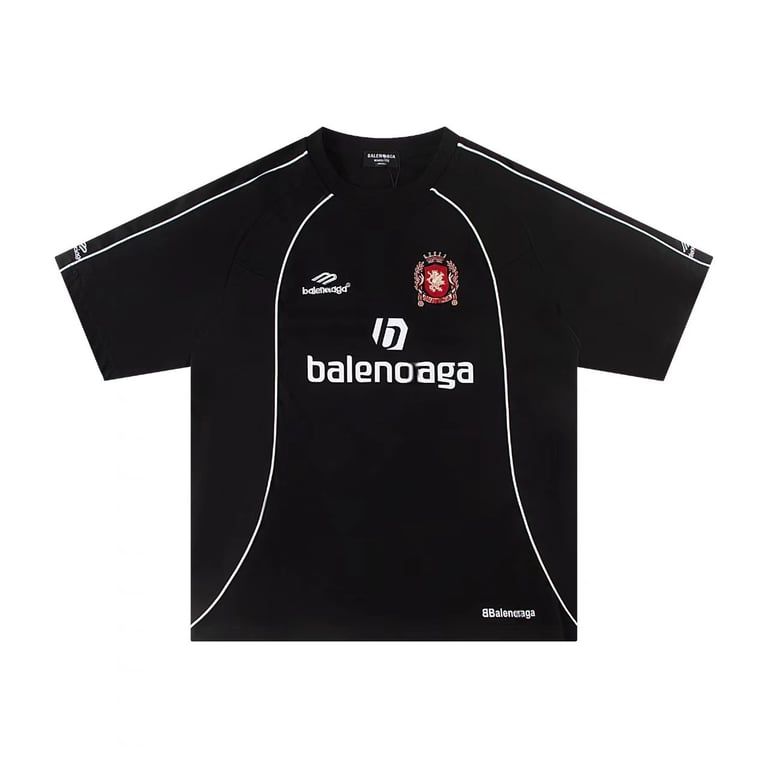
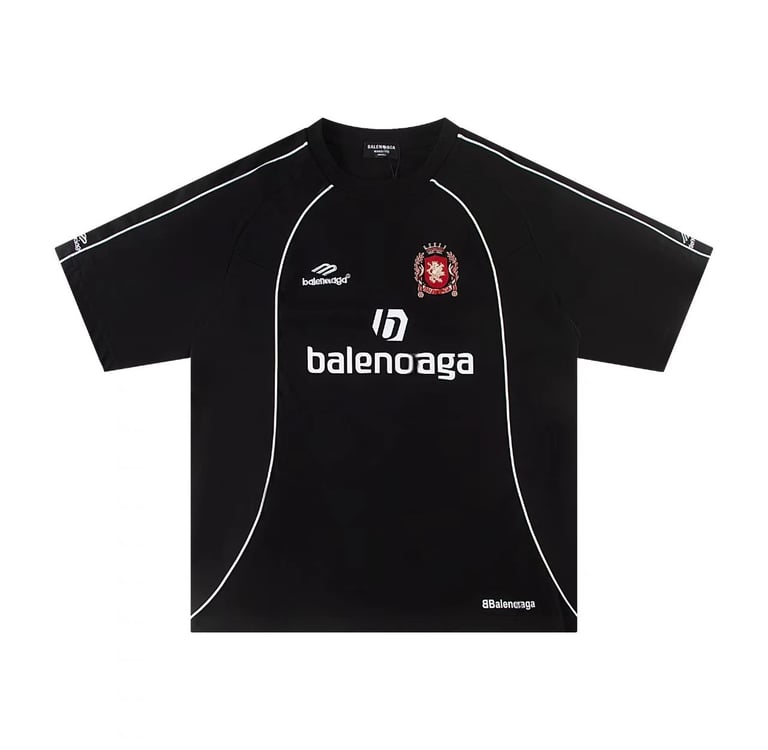



How Lovegobuy spreadsheet helps users find daily discount products faster
In today’s fast-moving ecommerce environment, discount products appear and disappear quickly. A deal that exists in the morning may be gone by evening due to stock changes, supplier updates, or short-term promotions. For shoppers, the challenge is not just finding discounts, but identifying them fast enough before they disappear.
The Lovegobuy spreadsheet is designed to solve this problem by organizing discount opportunities into a structured, searchable system. Instead of relying on random browsing across multiple stores or platforms, users can access curated deal structures that highlight price drops, budget-friendly items, and high-value sourcing opportunities in one place.
This article explains how the Lovegobuy spreadsheet improves daily discount product discovery through structured deal aggregation, price filtering logic, and budget optimization mechanisms.
Why daily discount shopping is difficult without structure
Most users looking for deals face the same issues:
Discounts are scattered across multiple sellers
Prices change frequently without notice
Similar products appear with different pricing levels
Promotions are time-sensitive and inconsistent
There is no unified system for comparing value
Because of this fragmentation, users often miss better deals or spend too much time searching instead of buying.
The Lovegobuy spreadsheet introduces structure into this chaotic environment by organizing discount products into a consistent system.
Step 1: Aggregating discount products from multiple sources
The first improvement provided by the Lovegobuy spreadsheet is deal aggregation.
Instead of showing isolated listings, the system groups discount products from different sources into unified entries based on:
Product similarity
Price range consistency
Supplier overlap
Promotion behavior patterns
This allows users to see multiple discount options for the same type of product in one structured view.
Deal aggregation removes the need to search across multiple platforms individually.
Step 2: Identifying real discounts instead of surface price drops
Not every low price represents a real discount. Some products appear cheaper due to:
Reduced specifications
Lower-quality variations
Limited functionality versions
Temporary clearance conditions
The Lovegobuy spreadsheet helps users differentiate real value deals from misleading pricing by comparing:
Historical price patterns
Supplier-level price differences
Variation-based pricing structures
Cross-listing consistency
This ensures users focus on genuine savings rather than superficial price reductions.
Step 3: Using price filtering to narrow down opportunities
One of the core functions of the Lovegobuy spreadsheet is price filtering.
Users can quickly narrow results based on:
Budget range categories
Minimum and maximum price thresholds
Bulk vs single-unit pricing differences
Discount intensity levels
This eliminates unnecessary listings and helps users focus only on products that match their budget strategy.
Price filtering transforms browsing into a targeted selection process.
Step 4: Optimizing budget decisions through structured comparison
Budget optimization is not just about choosing the cheapest product—it is about maximizing value within a defined budget.
Inside the Lovegobuy spreadsheet, users can compare:
Multiple products within the same price bracket
Feature differences between similarly priced items
Supplier consistency at different price levels
Long-term value vs short-term savings
This structured comparison helps users make smarter spending decisions instead of impulsive purchases.
Step 5: Tracking recurring discount patterns
Many discount products are not one-time opportunities—they follow patterns.
The Lovegobuy spreadsheet helps identify:
Frequently discounted product categories
Seasonal price reduction cycles
Repeating promotional items across suppliers
Stable low-price product groups
Recognizing these patterns allows users to predict when similar deals will appear again.
This turns discount shopping into a strategic activity rather than random browsing.
Step 6: Reducing decision time for fast-moving deals
Speed is critical in discount shopping. Many good deals disappear quickly due to limited stock or time-sensitive promotions.
The Lovegobuy spreadsheet reduces decision time by:
Presenting pre-filtered deal clusters
Grouping similar discount products together
Highlighting price differences clearly
Removing irrelevant or outdated listings
This allows users to make faster purchasing decisions without extensive comparison delays.
Step 7: Connecting discount discovery with Lovegobuy links
Once a suitable deal is identified in the Lovegobuy spreadsheet, users can transition directly to verification using Lovegobuy links.
Through these links, users can:
Open original supplier product pages
Confirm real-time discount availability
Check stock levels and variation options
Validate whether the deal is still active
This ensures that spreadsheet-based deals reflect real-world availability before purchase decisions are made.
Common mistakes in discount shopping
Without structured systems, users often:
Chase fake or temporary price drops
Compare products without standardized data
Miss better deals due to scattered browsing
React too slowly to time-sensitive offers
Overvalue discounts without checking product quality
The Lovegobuy spreadsheet helps reduce these issues by introducing structure and consistency.
Practical workflow for finding daily discount products
A structured approach using the system includes:
Browse discount clusters in Lovegobuy spreadsheet
Apply price filters based on budget range
Compare aggregated deal options
Evaluate true discount value vs surface pricing
Identify best budget-fit products
Validate availability using Lovegobuy links
Complete purchase decision quickly
This workflow ensures speed and accuracy in daily deal hunting.
Conclusion
The Lovegobuy spreadsheet improves daily discount product discovery by aggregating deals, filtering prices, and enabling structured budget optimization. Instead of relying on fragmented browsing, users gain access to a systemized view of real discount opportunities.
When combined with Lovegobuy links, the process becomes even more efficient, allowing users to move from structured discovery to real-time validation in seconds—making discount shopping faster, more accurate, and more reliable.


How Lovegobuy links simplify global deal access across micro stores
Cross-border deal sourcing is usually not limited by product availability, but by access complexity. Micro stores, small suppliers, and fragmented ecommerce listings create a situation where similar products are scattered across different pages, platforms, and sellers. Even when users already know what they want, reaching the correct product page often requires multiple search steps, filtering, and manual verification.
The Lovegobuy links system is designed to remove this friction by acting as a direct navigation layer between structured product discovery in the Lovegobuy spreadsheet and real micro-store product pages. Instead of repeating search processes across platforms, users can directly access global deal pages through a simplified click-based system.
This article explains how Lovegobuy links improve cross-border deal access by simplifying navigation, reducing sourcing steps, and improving overall UX efficiency.
The real problem in global micro-store deal sourcing
Micro-store ecosystems are highly fragmented. A single product type may appear in dozens of stores with:
Slightly different pricing structures
Inconsistent naming conventions
Varying product quality levels
Different stock availability conditions
Multiple near-identical listings
This fragmentation makes deal sourcing inefficient because users must repeatedly:
Search manually across platforms
Open multiple supplier pages
Compare listings one by one
Reconfirm product identity each time
The result is slow decision-making and missed opportunities, especially for time-sensitive deals.
Step 1: Replacing manual search with direct navigation
The core improvement introduced by Lovegobuy links is eliminating manual search steps.
Instead of:
Typing keywords repeatedly
Filtering irrelevant search results
Opening multiple unrelated listings
Users can directly click into the correct product page from structured entries in the Lovegobuy spreadsheet.
This transforms sourcing into:
structured discovery → direct access → immediate validation
By removing search repetition, users significantly reduce time spent navigating micro-store environments.
Step 2: Creating shortcut paths to global deal pages
Each Lovegobuy links entry functions as a predefined shortcut to a verified supplier page.
This means users can:
Jump directly into micro-store product listings
Skip homepage or category navigation layers
Avoid unrelated product recommendations
Reach exact deal pages instantly
This shortcut structure is especially valuable when handling large-scale deal hunting, where speed determines whether a discount is still available.
Instead of searching for deals, users are guided directly to them.
Step 3: Improving cross-store comparison efficiency
In global sourcing, the same deal often appears across multiple micro stores. Without structured navigation, comparison becomes slow and fragmented.
With Lovegobuy links, users can:
Open multiple suppliers for the same product instantly
Compare pricing differences in real time
Evaluate variation options across stores
Identify the most cost-efficient deal source
This parallel comparison replaces traditional sequential browsing, significantly improving efficiency in decision-making.
Step 4: Reducing cognitive load in sourcing workflows
One of the hidden inefficiencies in cross-border shopping is cognitive overload. Users must constantly:
Remember product names across platforms
Reconstruct search queries repeatedly
Track multiple tabs and listings
Re-evaluate similar products manually
The Lovegobuy links system reduces this burden by standardizing access.
Instead of thinking about how to find a product, users focus only on:
Whether the deal is worth it
Which supplier offers better value
Whether the timing is right
This shift improves both speed and decision quality.
Step 5: Enhancing UX through click-based sourcing flow
Traditional sourcing workflows are multi-step and fragmented. The Lovegobuy links system introduces a click-based UX model:
Identify product in Lovegobuy spreadsheet
Click link
Open supplier page instantly
Validate deal in real time
This reduces sourcing interaction complexity to a single-action navigation model.
The fewer steps required, the faster users can act on limited-time deals.
Step 6: Increasing deal conversion speed
Speed is critical in discount-driven ecommerce environments. Many deals disappear within hours due to stock depletion or short promotional cycles.
By using Lovegobuy links, users can:
Access deals immediately after discovery
Reduce time between identification and validation
Act before price changes occur
Avoid losing deals due to navigation delays
This improves overall conversion efficiency in deal-based sourcing.
Step 7: Integrating links with structured discovery logic
The full value of Lovegobuy links appears when combined with the Lovegobuy spreadsheet.
The spreadsheet provides:
Deal aggregation and filtering
Price comparison structure
Budget-based product grouping
Discount pattern visibility
The links provide:
Instant access to supplier pages
Real-time deal verification
Multi-store comparison capability
Together, they form a two-layer system:
Structured deal discovery layer
Direct access execution layer
This eliminates fragmentation between finding deals and accessing them.
Common inefficiencies without shortcut navigation
Without systems like Lovegobuy links, users often face:
Repeated keyword searching across platforms
Opening incorrect or outdated listings
Slow comparison between similar deals
Missed opportunities due to navigation delays
High dependency on manual browsing
These inefficiencies accumulate quickly in large-scale deal sourcing environments.
Practical workflow using Lovegobuy links
A streamlined sourcing process includes:
Identify deals in Lovegobuy spreadsheet
Apply filtering based on price and category
Select target product cluster
Click Lovegobuy links for direct access
Validate pricing and availability in real time
Compare multiple suppliers if needed
Complete sourcing decision quickly
This workflow reduces unnecessary steps and maximizes speed.
Conclusion
The Lovegobuy links system simplifies global deal access by replacing manual search processes with direct navigation shortcuts. It reduces friction, improves comparison efficiency, and enables faster validation of micro-store deals.
When integrated with the Lovegobuy spreadsheet, it creates a complete sourcing system that connects structured discovery with instant execution, significantly improving cross-border shopping efficiency and UX performance.